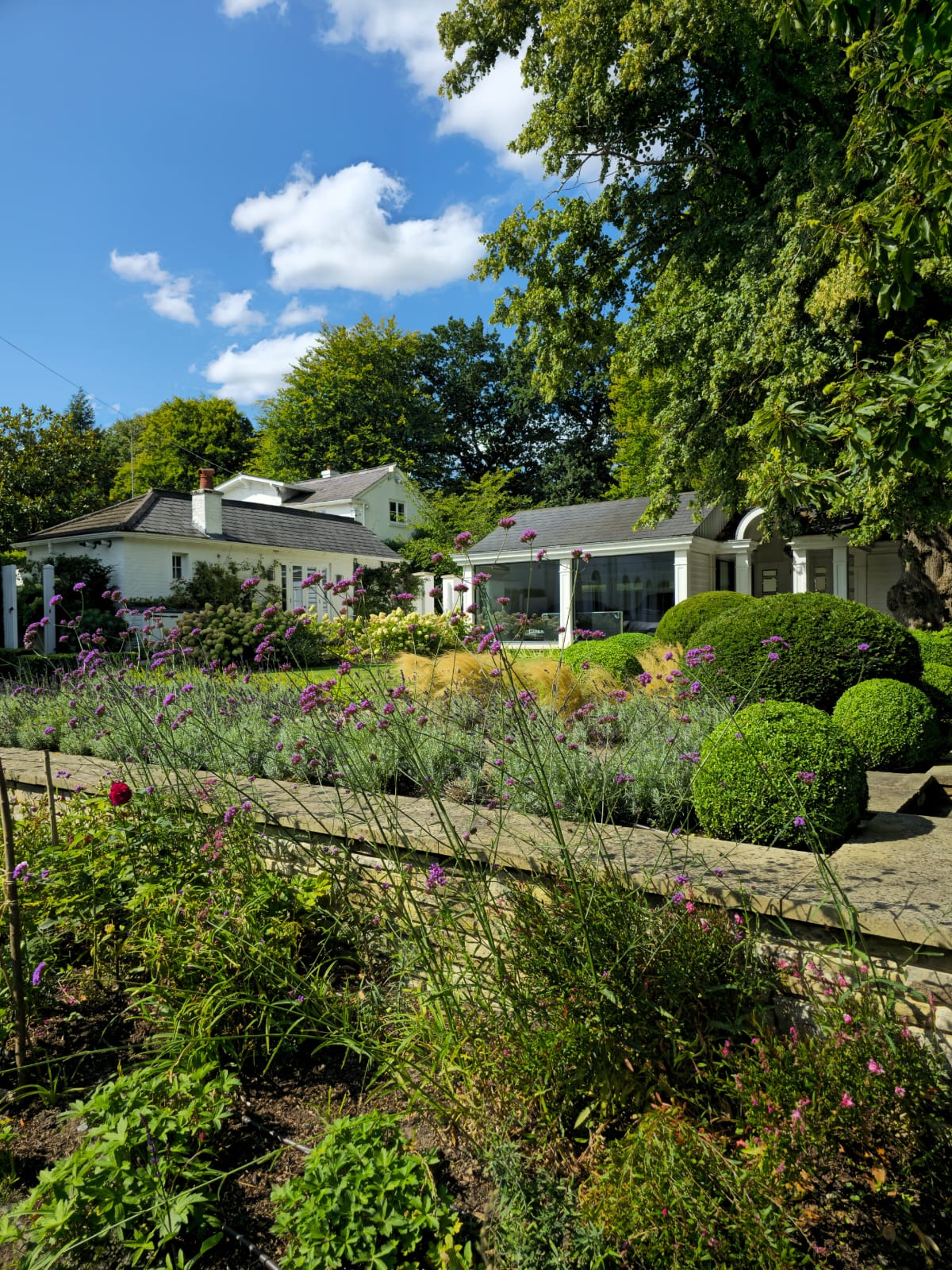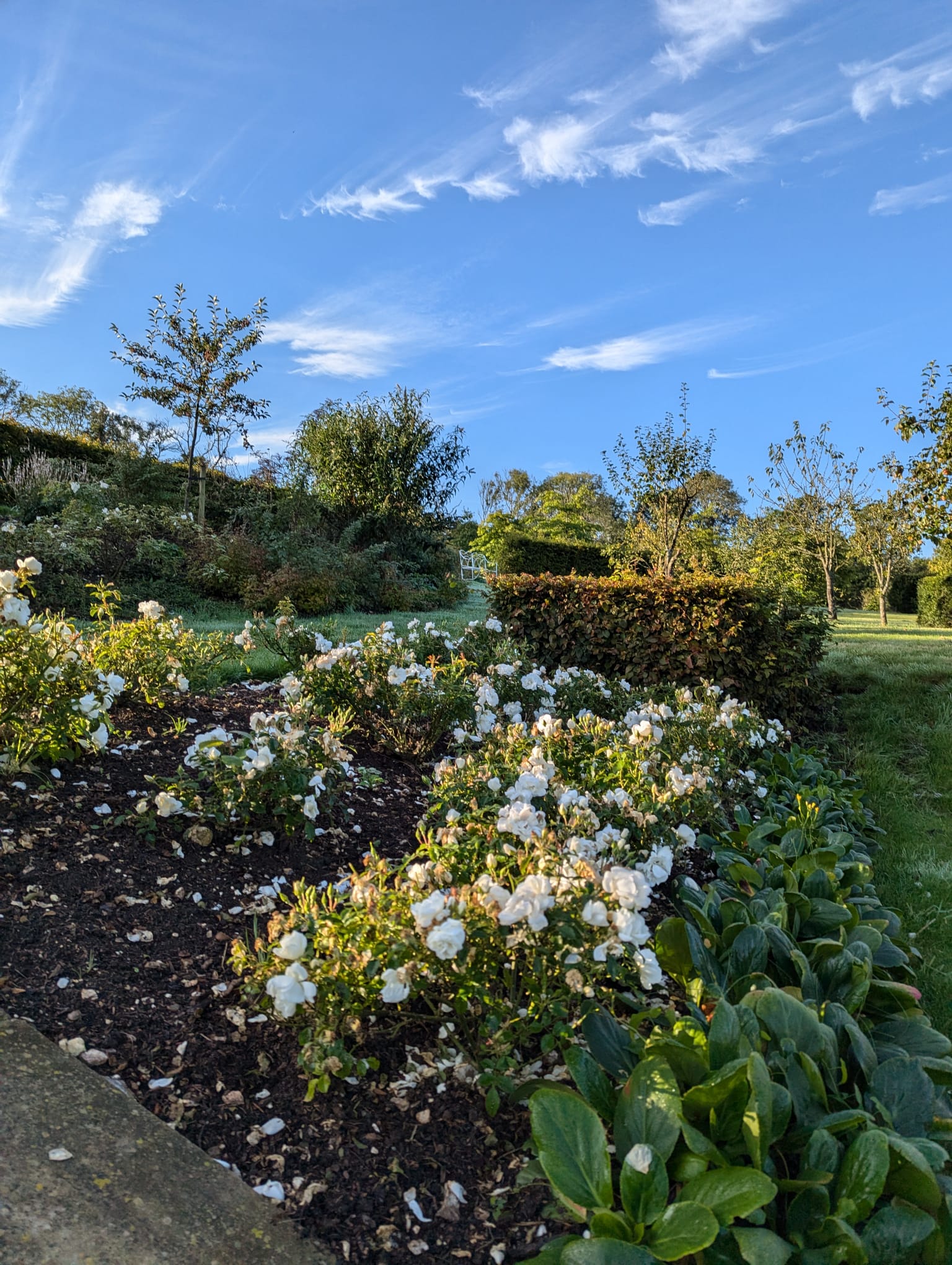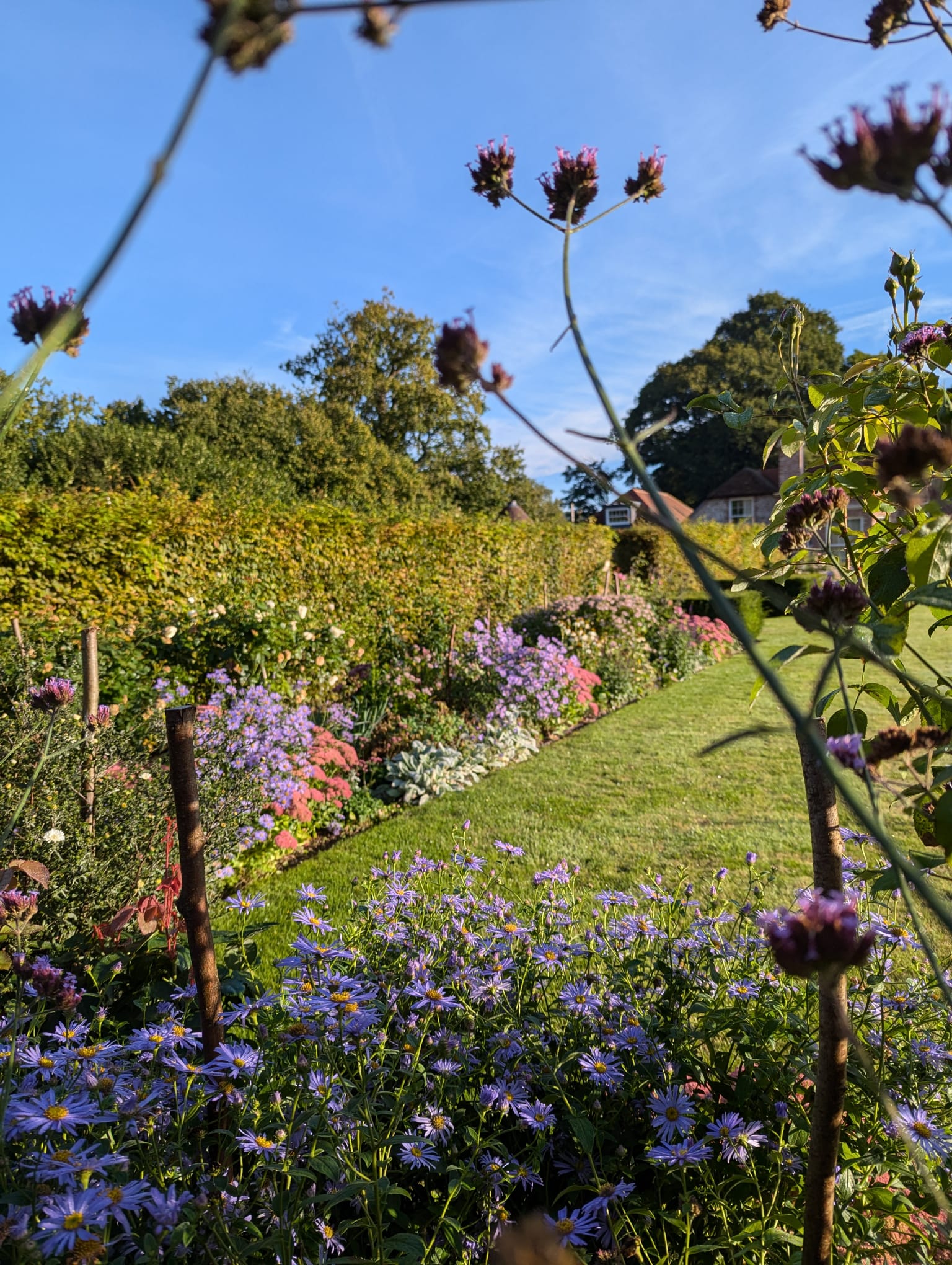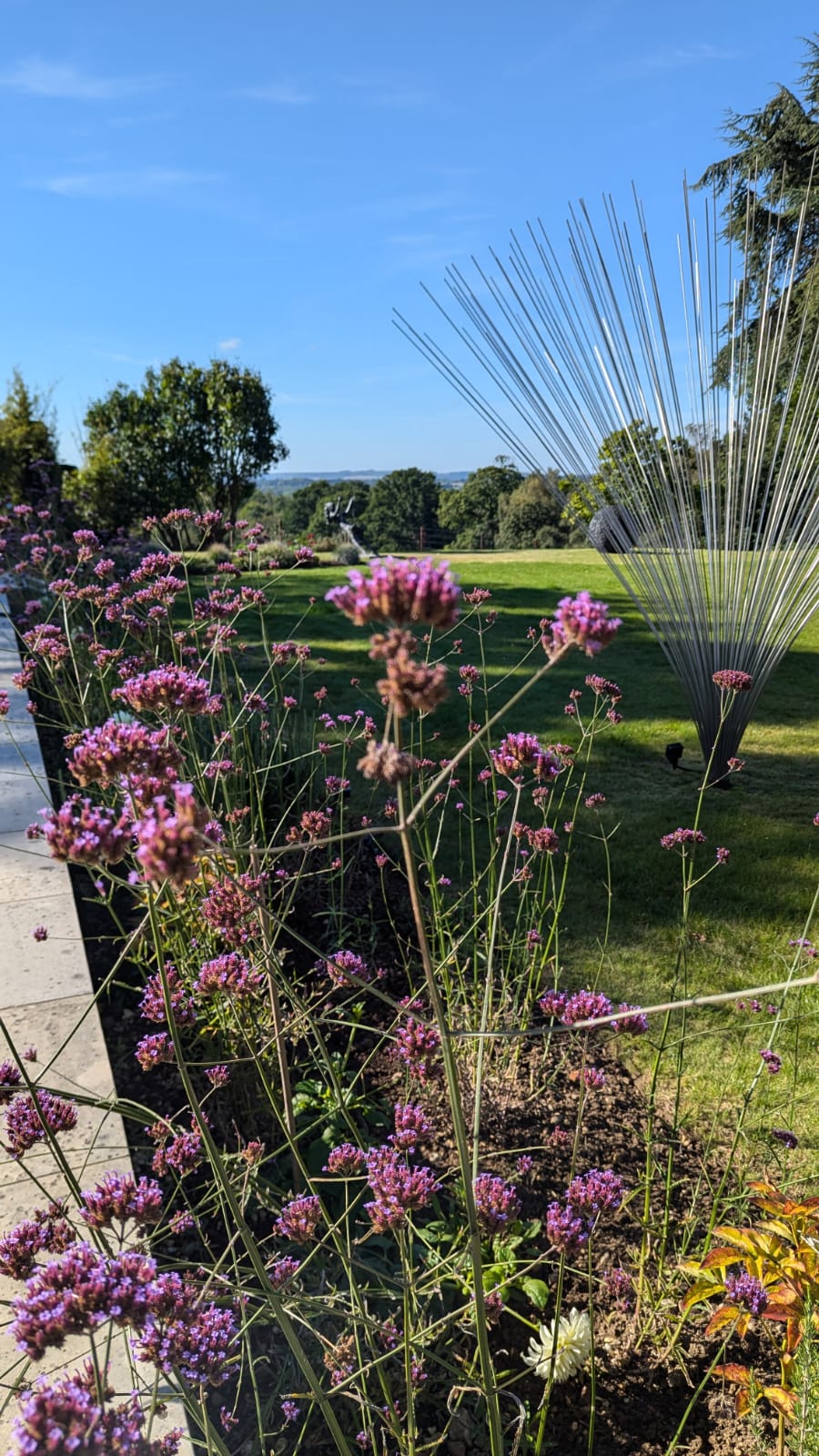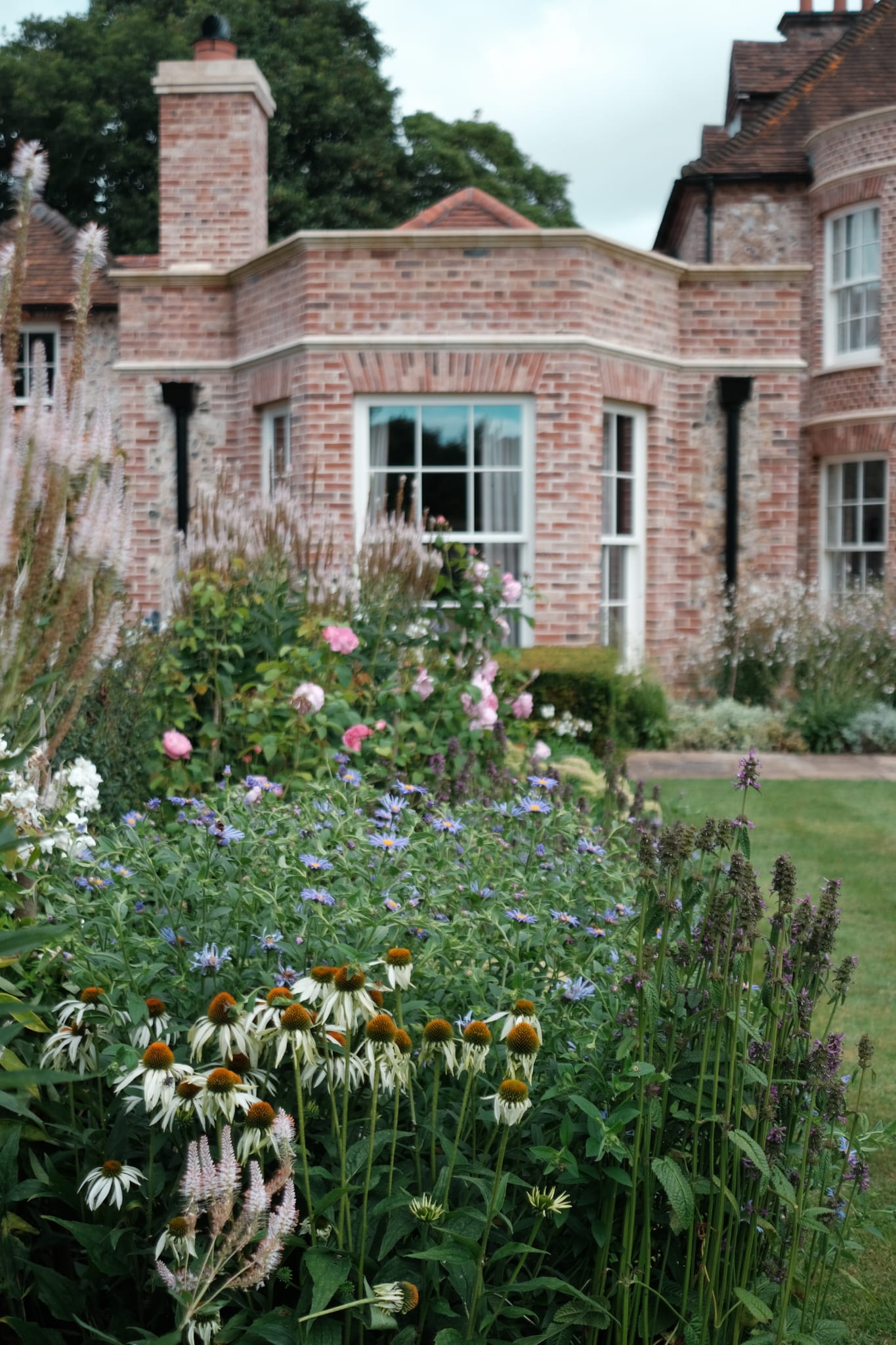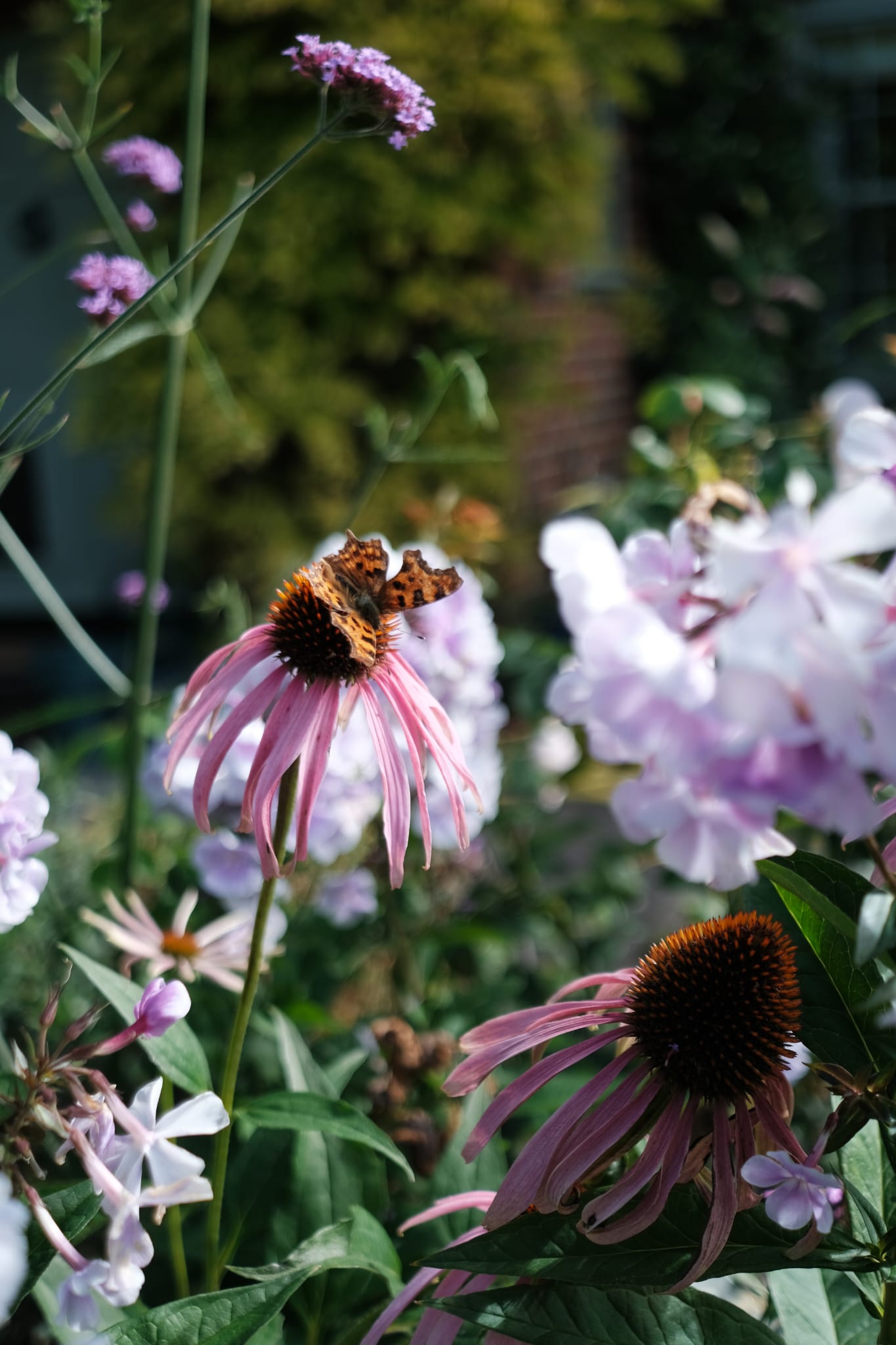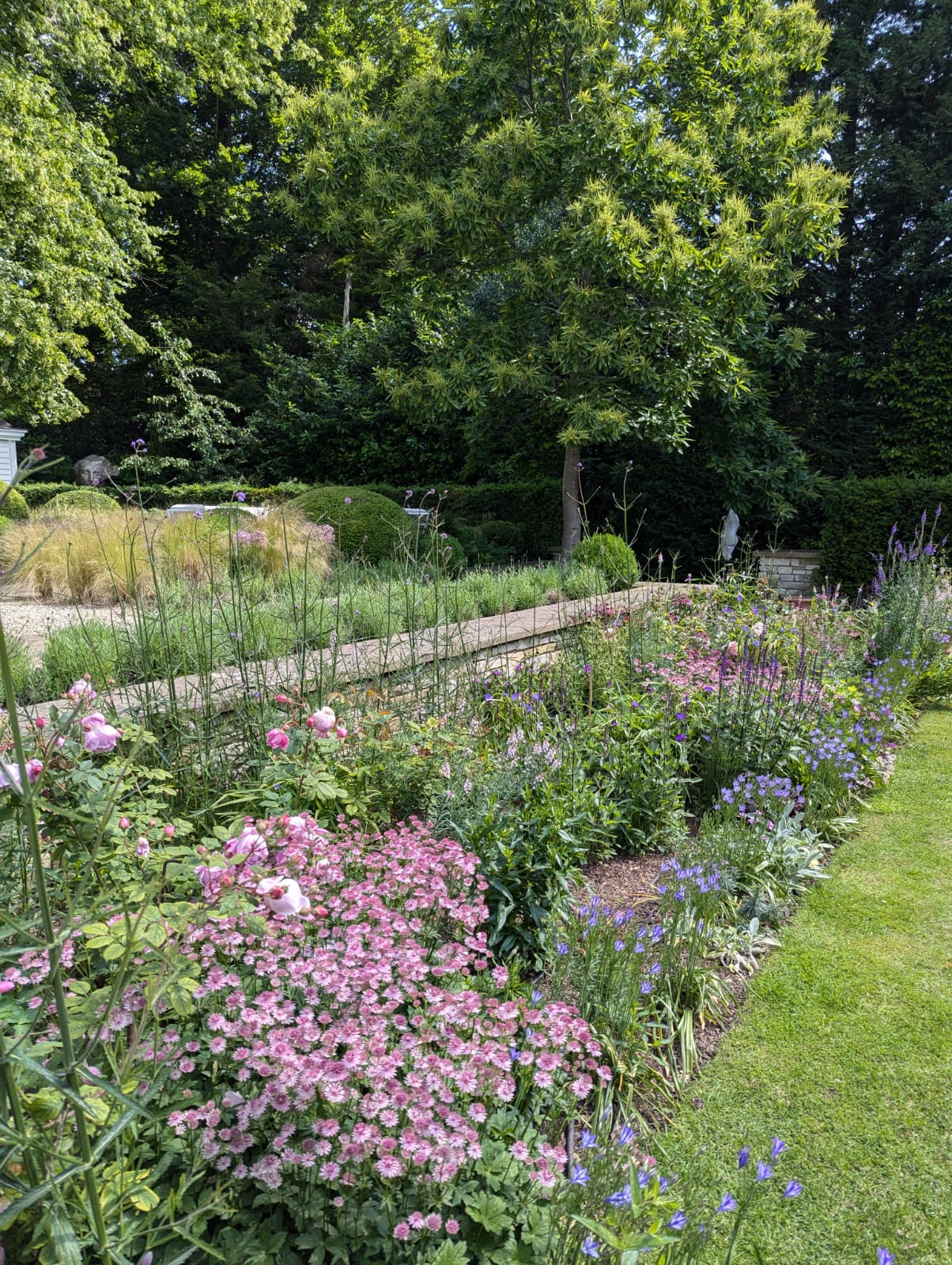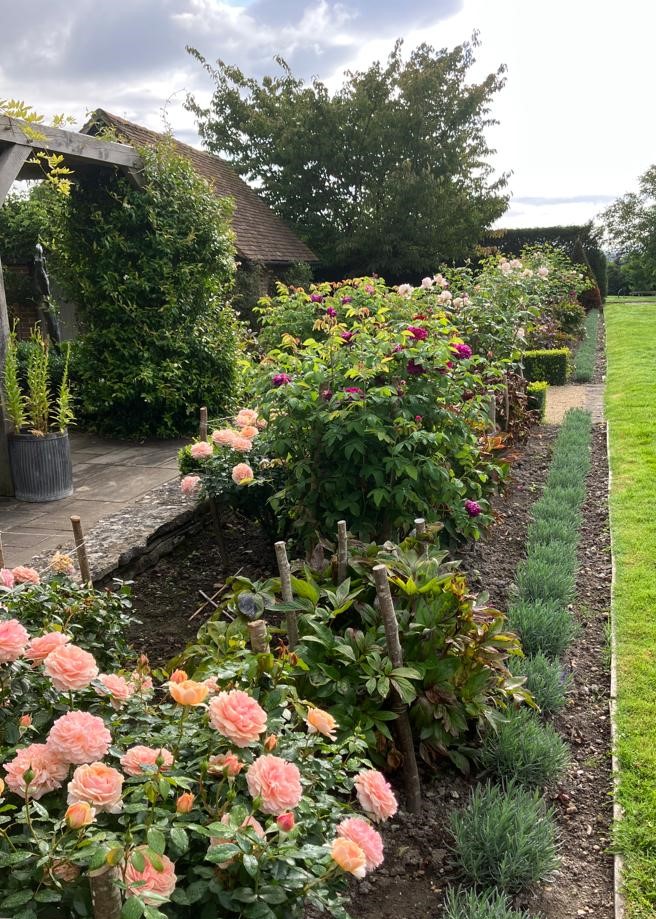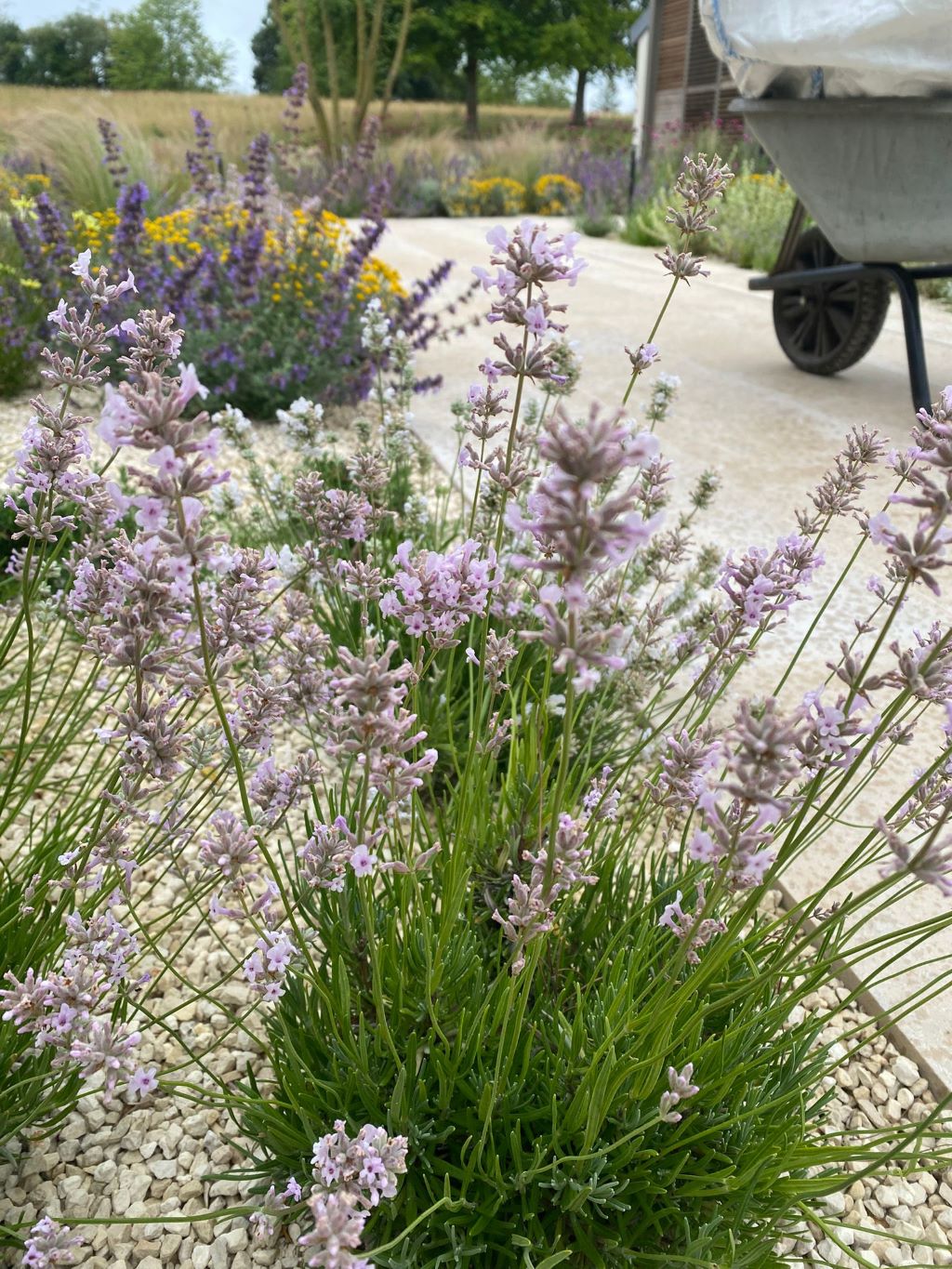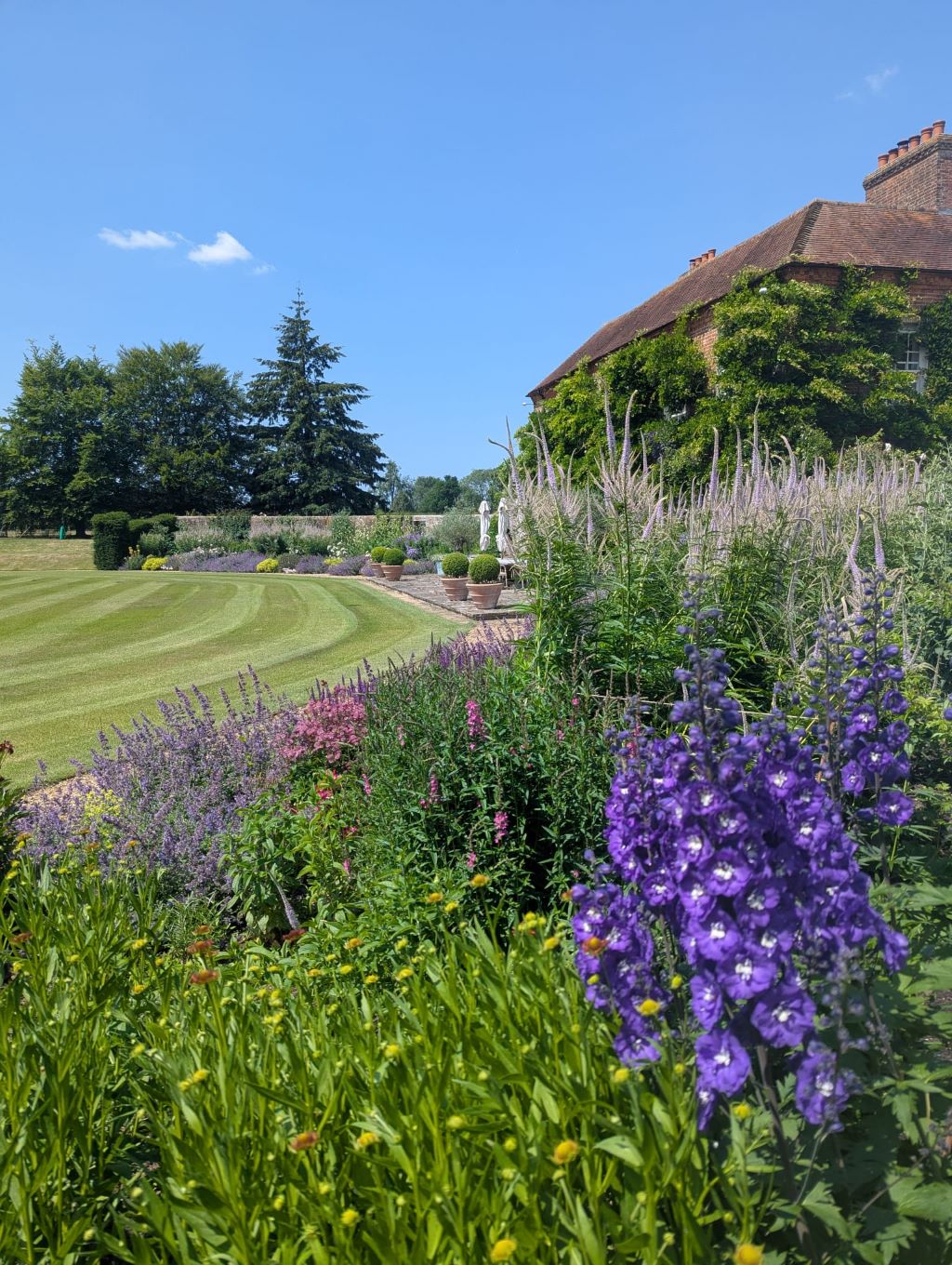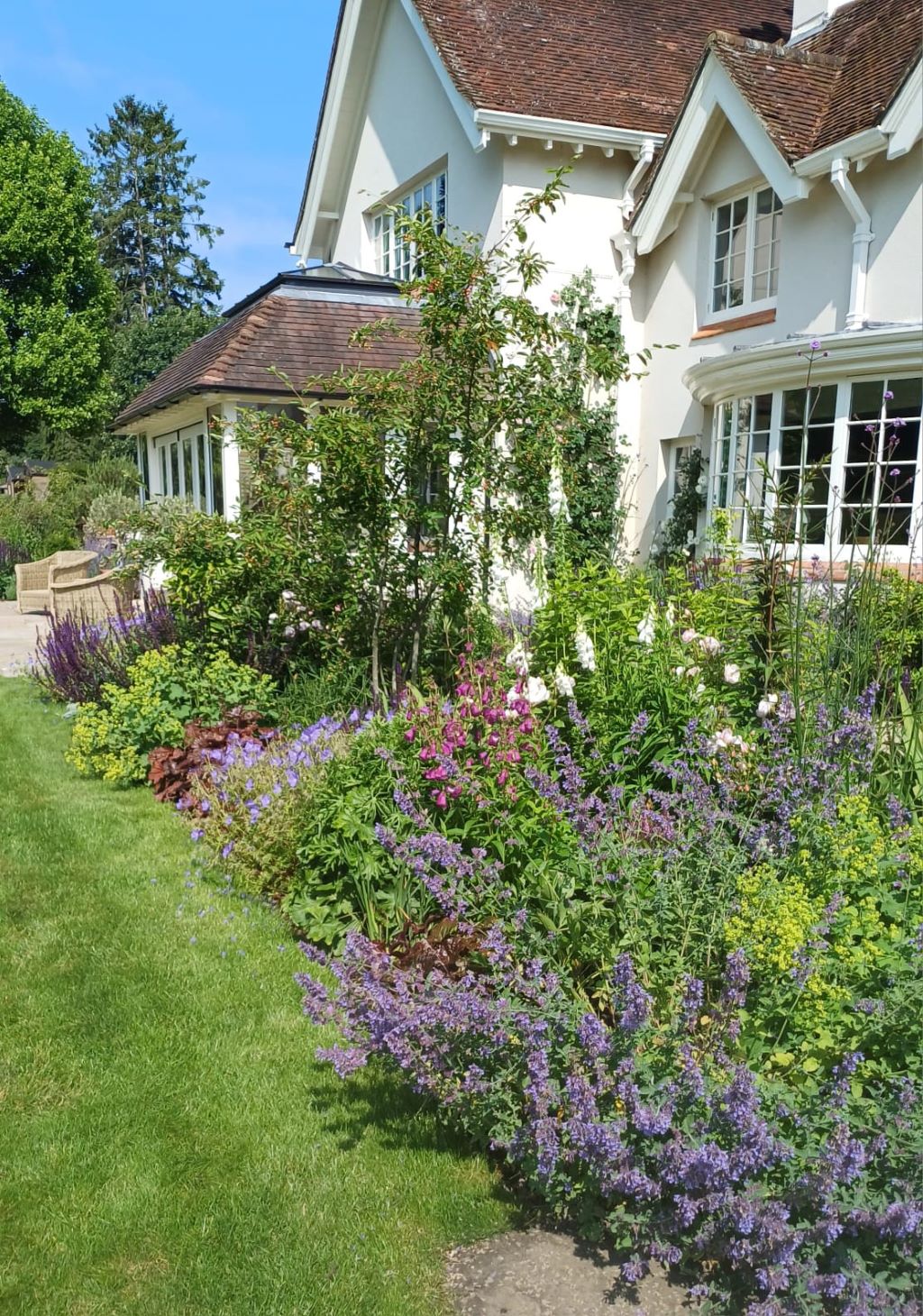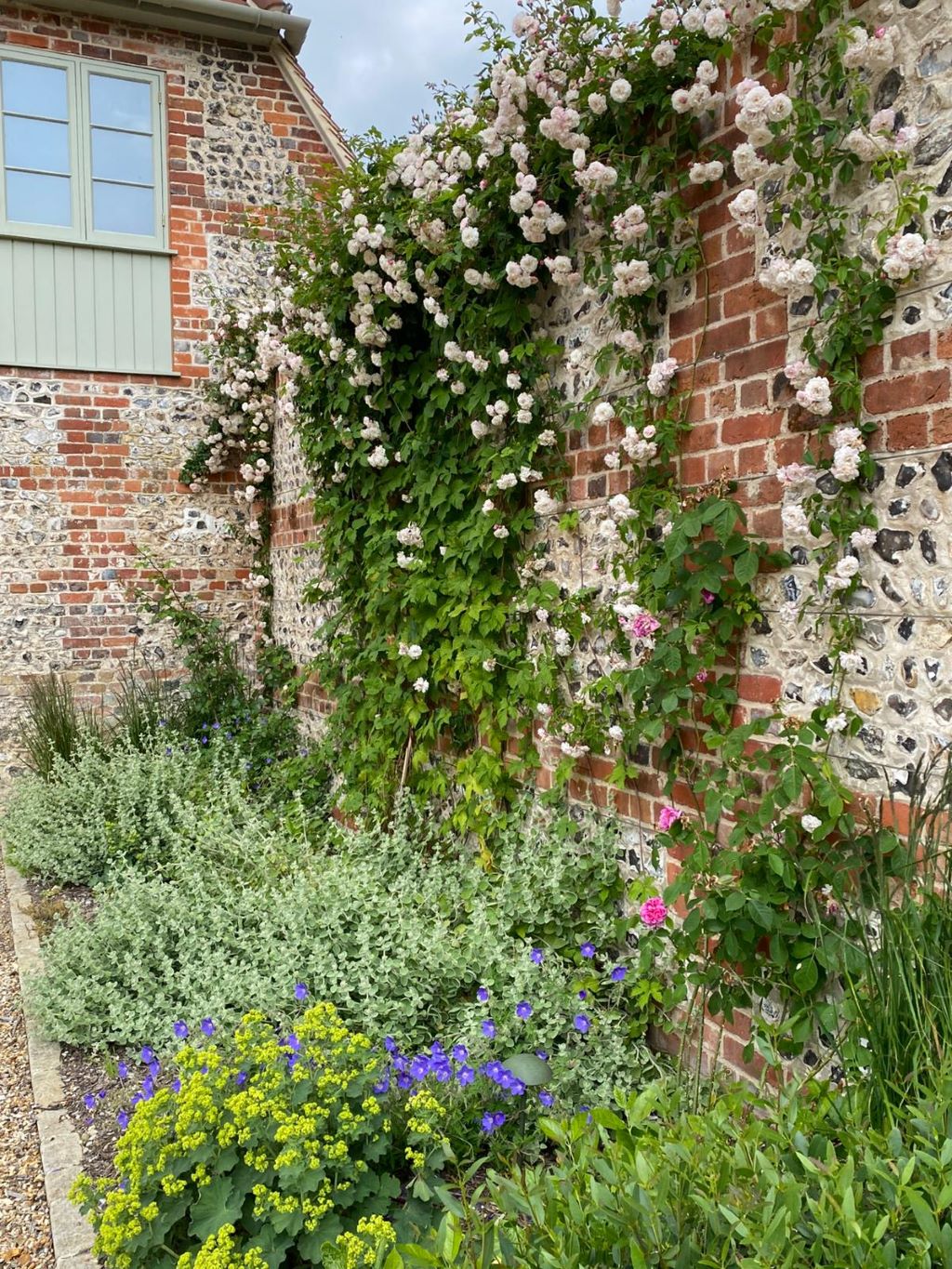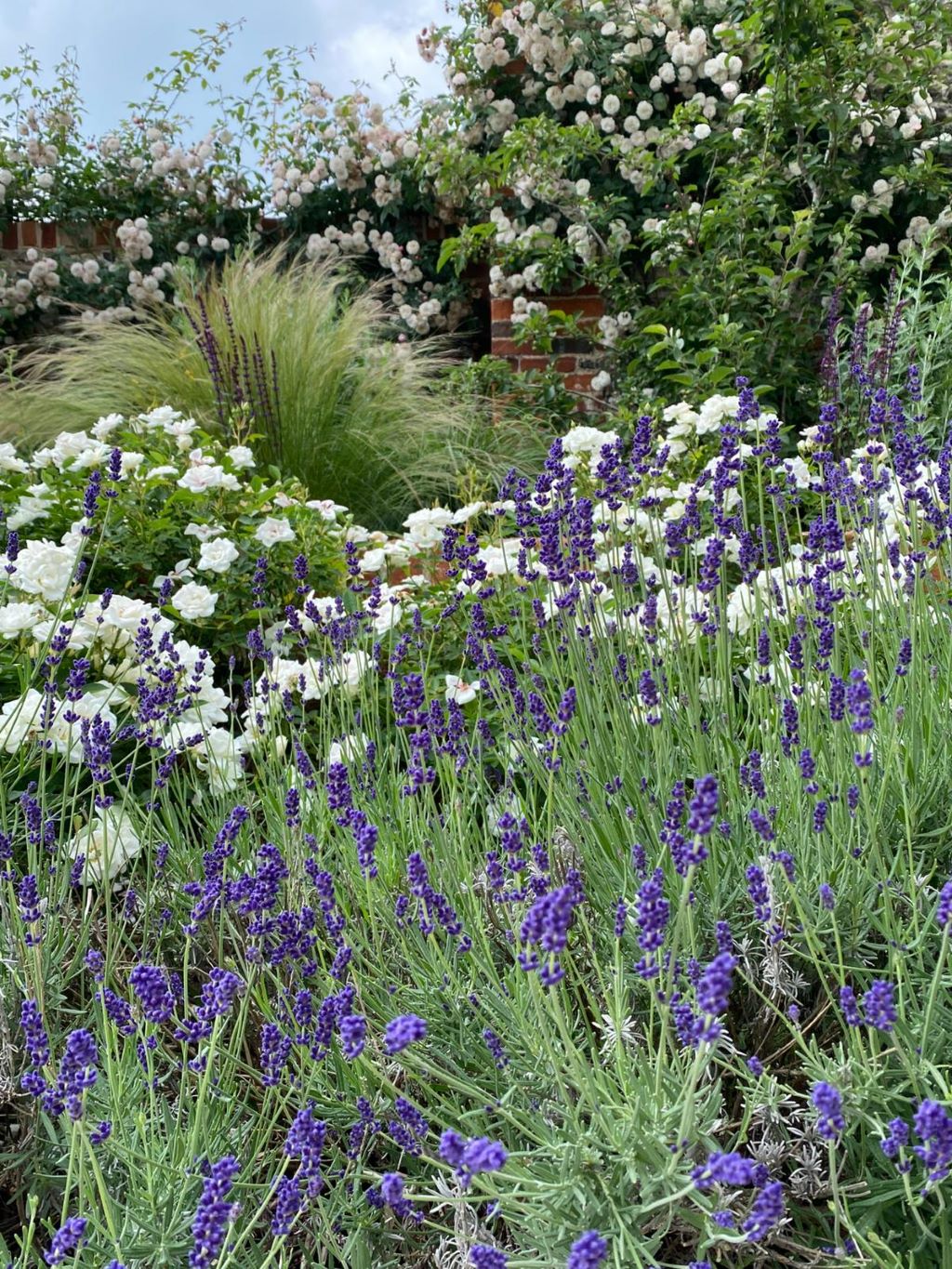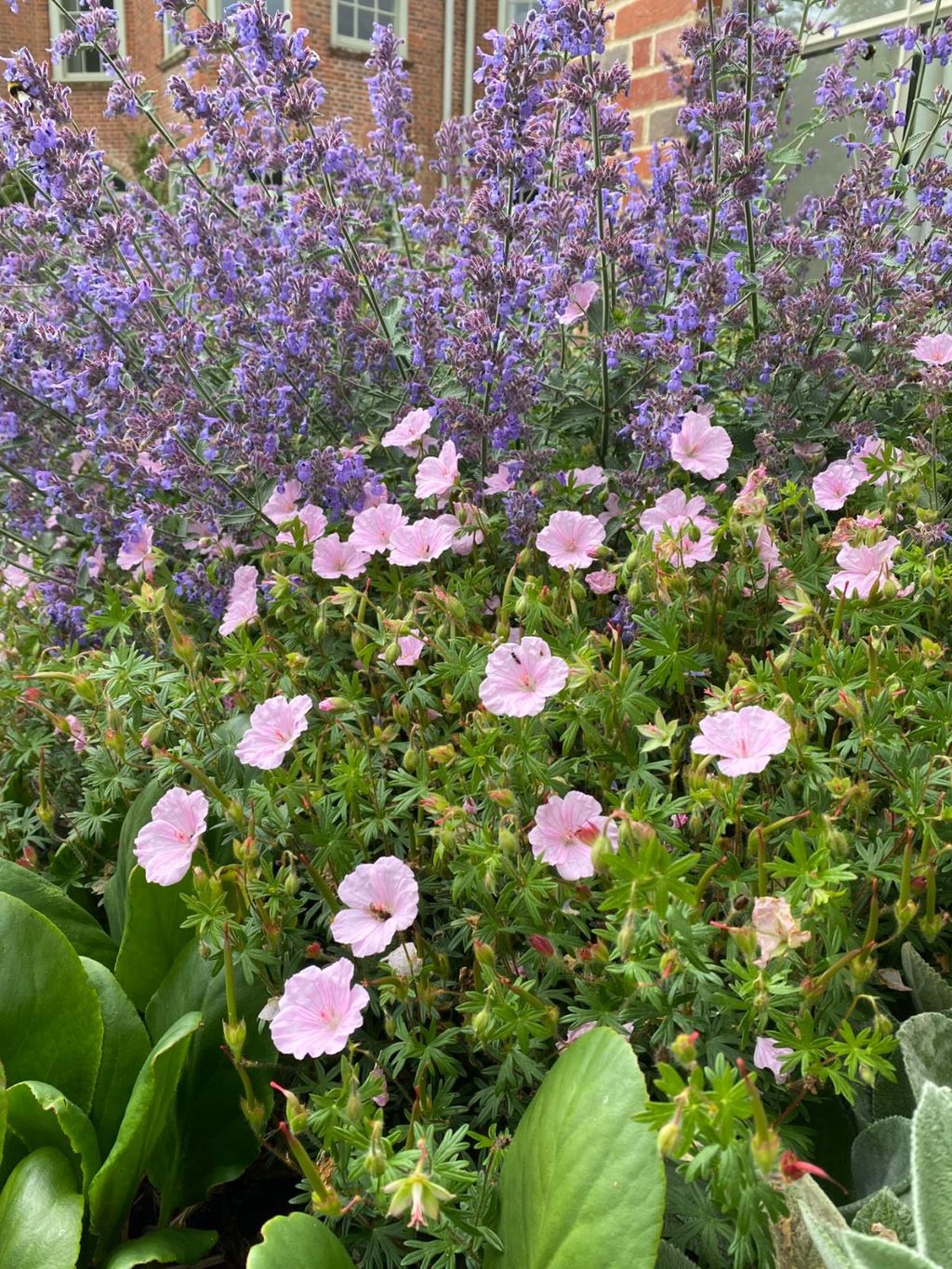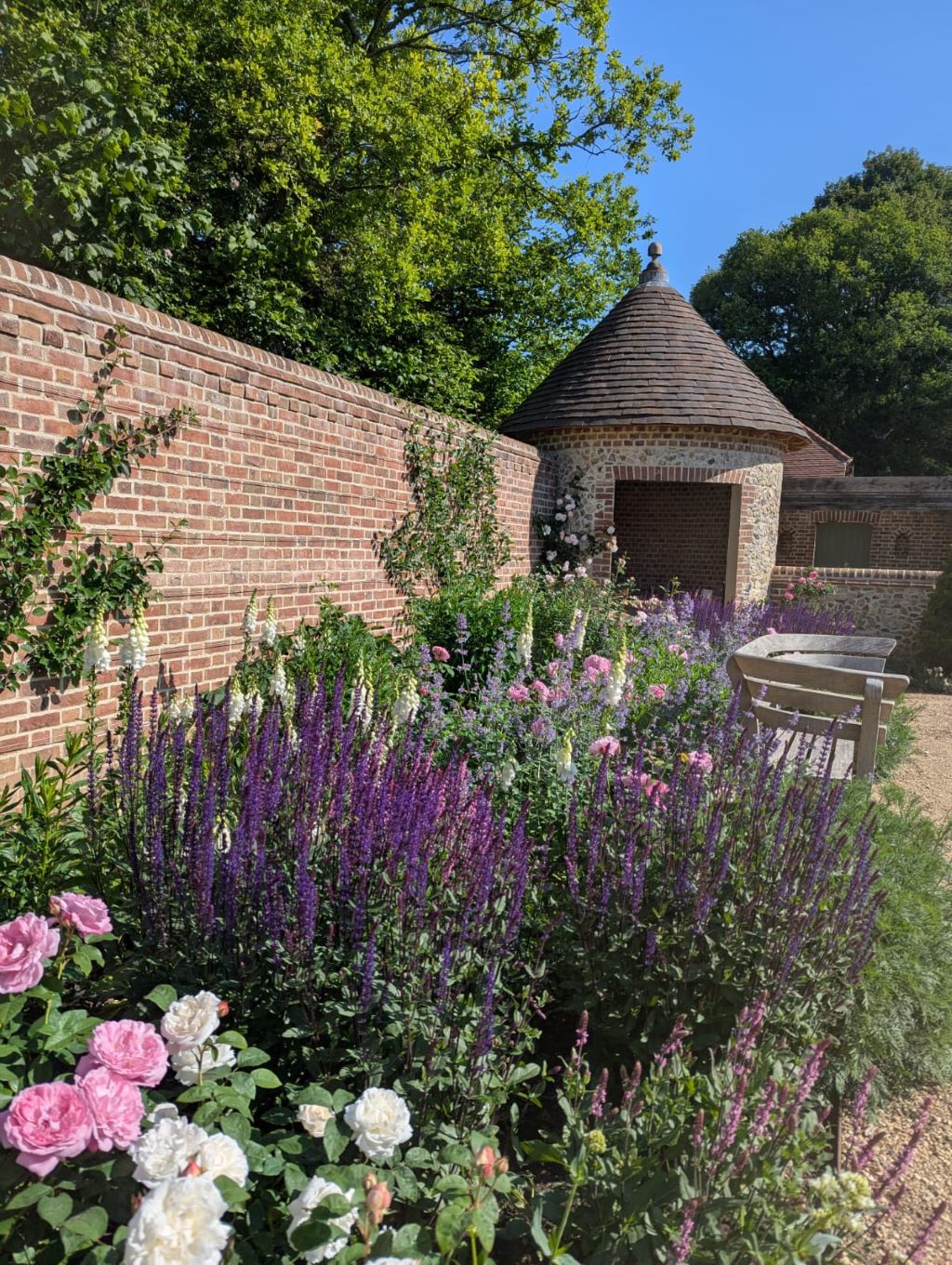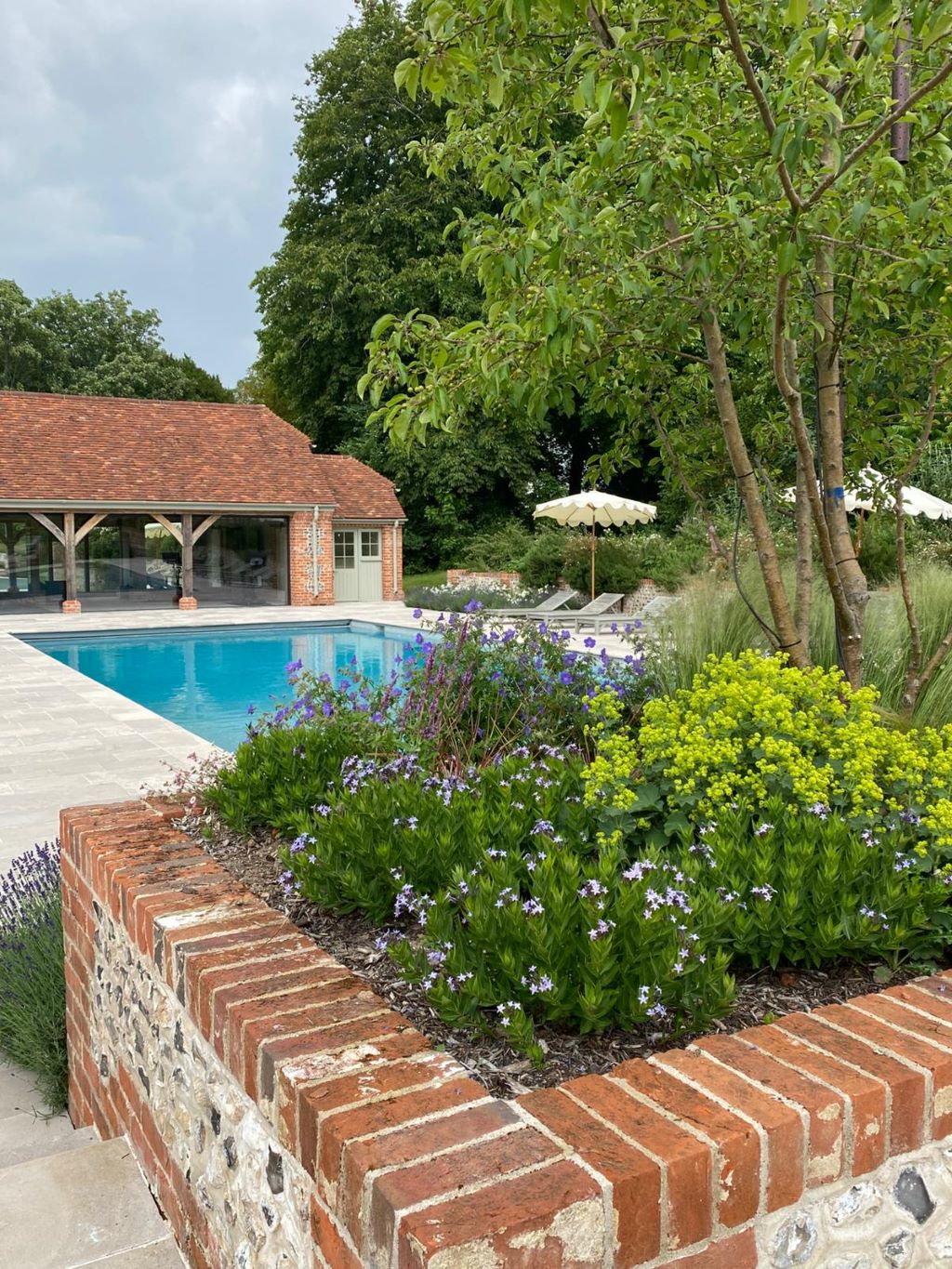
A well planned herbaceous border brings structure, texture, and colour to a space. We work closely with clients to develop layered planting schemes using a mix of perennials, grasses, bulbs, and seasonal highlights, tailored to soil conditions, light levels, and long-term maintenance goals.
Our work typically includes:
Herbaceous borders require ongoing attention to thrive. As part of our maintenance offering, we:
We bring both aesthetic sensitivity and technical expertise to every border we plant and maintain, creating spaces that feel balanced, immersive, and alive with character year-round.
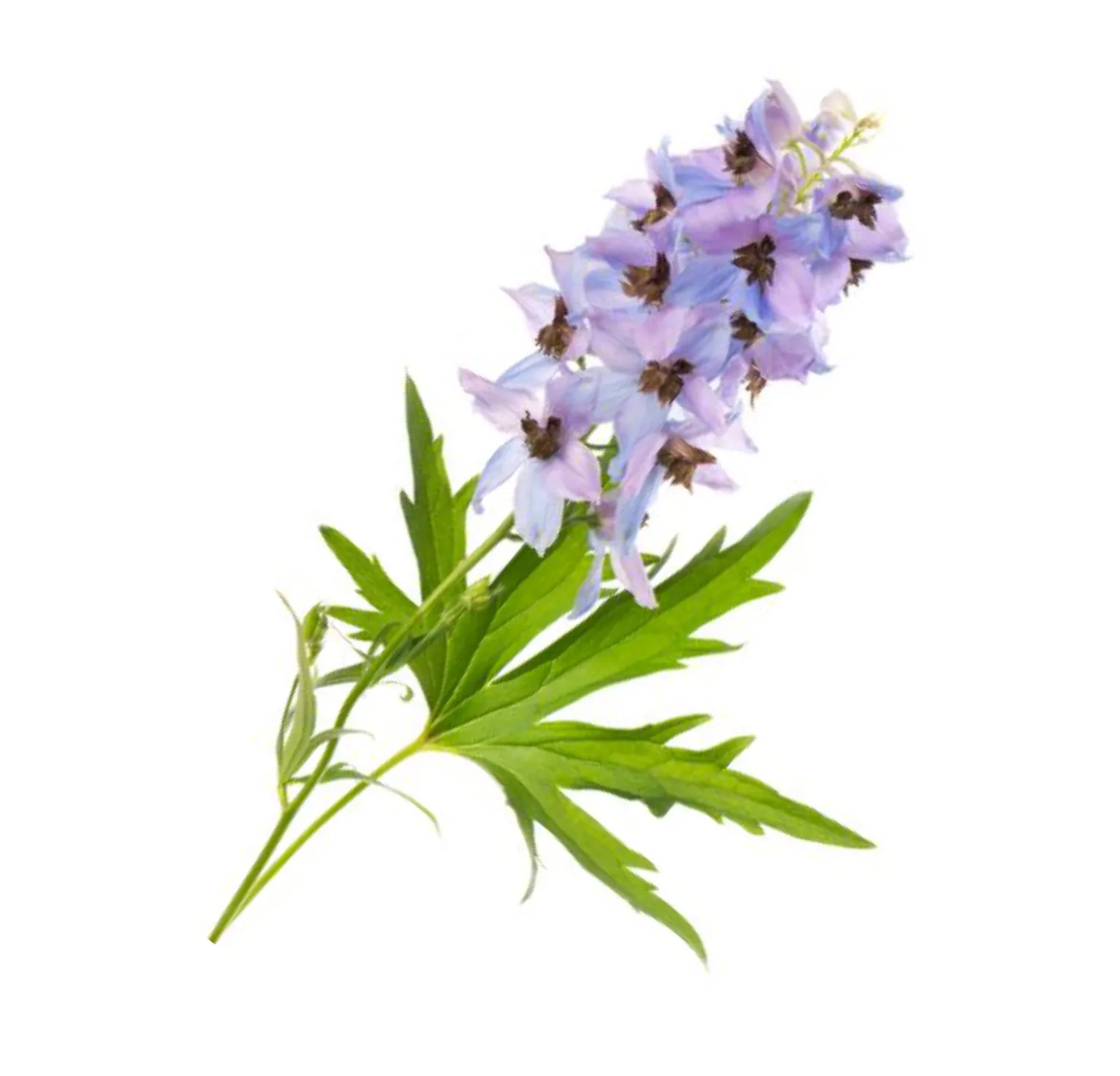
Hybridization and new imported plant species revolutionized the form of British gardens in the 18th and 19th centuries. Herbaceous borders were first popularly used in gardens in the Victorian era. Gertrude Jekyll, a British 20th-century garden designer popularized the use of the herbaceous border through a revival of the British cottage garden.
A herbaceous border is a collection of perennial herbaceous plants arranged closely together, usually to create a dramatic effect through colour, shape or large scale.
Herbaceous plants are full of colour and style by mixing and matching with shrubs and climbers, they create the perfect border with colour and structure.
Maintaining the herbaceous border is work-intensive, as the perennials have to be dug up every 3–4 years and divided to prevent overgrowth of the plants.